
What best describes your situation?
How to rent a Texas house as corporate housing: which homes qualify, what furnishing costs, how to price it, and how owners reach the companies that place guests.
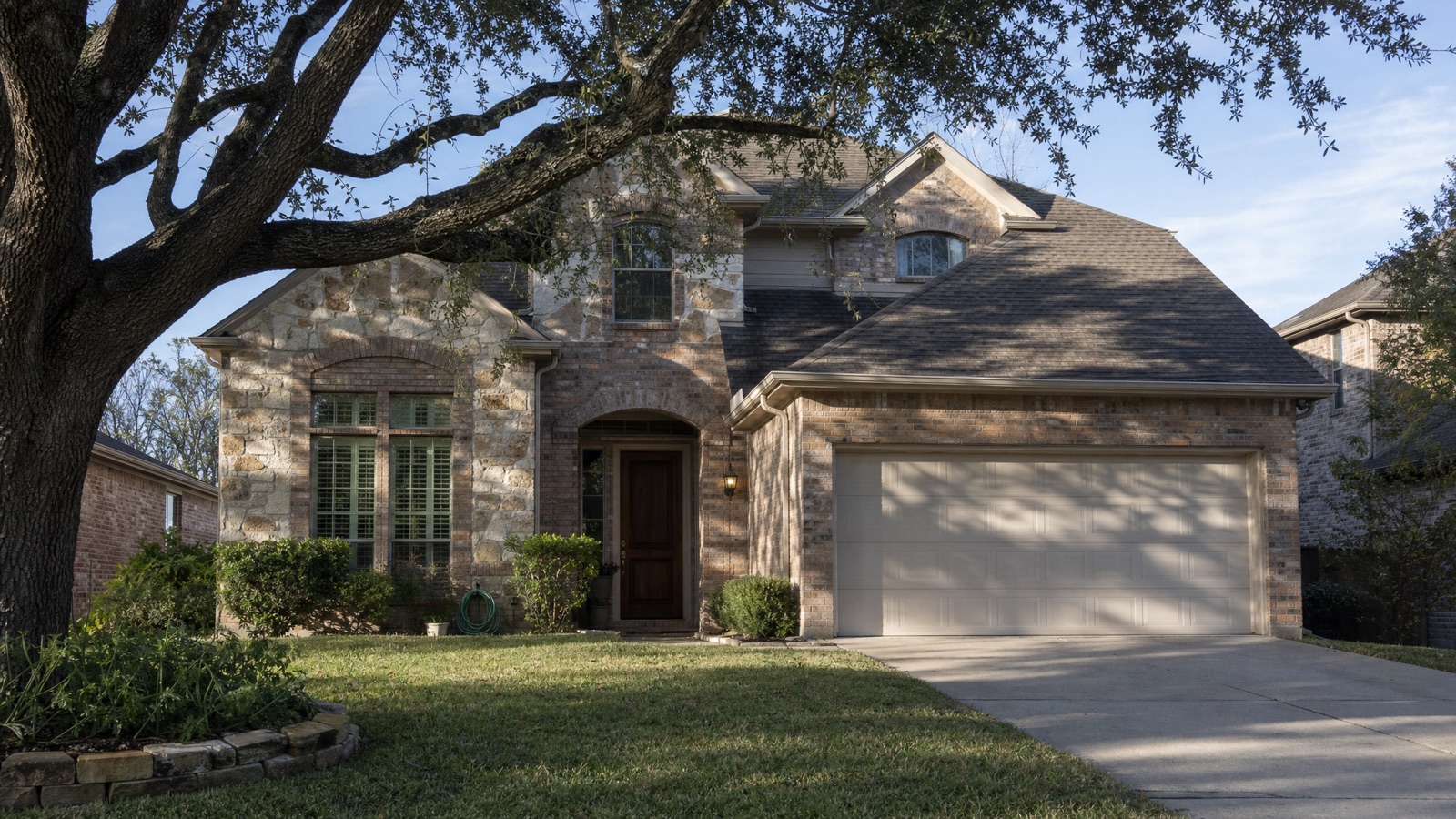
Yes, if the house fits the demand and you can reach it. Corporate housing is a furnished home rented for 30 nights or more. A company usually places the guest: an employee who is relocating, or a household displaced by an insurance claim. The guest rarely finds the home through a search. A company finds it for them.
At Texas Corporate Homes, about 80% of bookings come from insurance placements via Insurance Housing Companies, and about 10% come from corporate relocation companies. So the real question for an owner is whether you can reach the companies that place these guests.
Placement partners place households. A single-family home sized for a family reaches that demand; a small urban unit does not, whatever the finish quality.
Location matters as much as the house. A displaced family usually wants to stay near its own neighborhood and school, so demand follows dense residential areas. We only operate in submarkets with 800+ insurance displacements per year, and we accept roughly 20% of the properties we evaluate.
Some HOAs require a twelve-month minimum lease. That rule stops corporate housing completely, so read the covenants before you buy furniture.
Most municipal short-term rental rules in Texas metros are written around stays under 30 nights, so a 30-night minimum usually sits outside them. Rules change, so confirm the rules for your address before you start.
A corporate housing guest unpacks and lives in the home. The home needs what a household uses every day: a full kitchen, a made bed in every bedroom, linens, laundry, a place to work, and internet.
Furnishing is the least recoverable cost in the decision. In two DFW homes we operate, the furnishing investment was $20K each. Decide on the model before you buy, not after.
Compare annual net, never monthly rate. A worked example on a $500,000 home:
| Metric | Corporate housing (midterm) | Long-term lease |
|---|---|---|
| Rate | $250/night | $2,750/mo |
| Annual occupancy | 80% (~292 nights) | 95% (1 mo vacancy) |
| Gross annual income | $73,000 | $31,350 |
| Operating expenses | ~$24,848/yr | ~$8,500/yr |
| Net operating income | $48,152 | $20,342 |
The table is an illustration built on portfolio averages. It is useful for comparing the two models, and it does not predict the result on a specific address.
You have two routes.
List it yourself. Choose the marketplaces whose stay length fits a 30-night home. We rank them in where to list a midterm rental in Texas. You do the screening, the leases, the payments, and the calendars. Expect little access to insurance or relocation placements, because those partners place with vetted suppliers, not with single listings.
Work with a manager who holds placement relationships. We hold 40+ B2B partnerships with insurance housing and corporate relocation companies. When a homeowner has a fire or a flood, the adjuster refers the placement to an Insurance Housing Company. That company places the family with a supplier in its network, often within 24 hours. We are in that network. We supply Insurance Housing Companies; they hold the relationship with the carrier.
A 30-night guest still needs a home that works on day one and a person who answers when something breaks. We run guest service and maintenance management 24/7. After every checkout we complete a 400+ photo inspection. Payouts reach the owner 4 to 14 days after checkout.
Thirty nights or more. A family displaced by a burst pipe in Frisco stayed 67 nights in one of our homes. A travel nurse on a 13-week contract in Houston renewed twice and stayed 9 months.
Owners whose homes we operate earn 50–300% more cash flow than an equivalent long-term rental, net of fees. The range is wide because location, size, and occupancy differ from home to home.
Usually a smaller one, because an institution usually pays. Our collection rate runs 99.4%, and evictions run under 0.5%, against 5% to 10% on traditional long-term rentals.
The furnishing is your capital. A manager can specify what to buy so that the home meets what placement partners expect, but the cost is spent before any revenue arrives.
Texas Corporate Homes manages 160+ premium single-family homes across DFW, Austin, Houston, and San Antonio. We have been operating since 2015 and managing properties for outside owners since 2019.
If you want to know whether your house fits, see Owners or email [email protected]. If the answer is no, we will say so.
